Stay in the loop!
Get the latest industry insights delivered straight to your inbox
Tracey Winslow
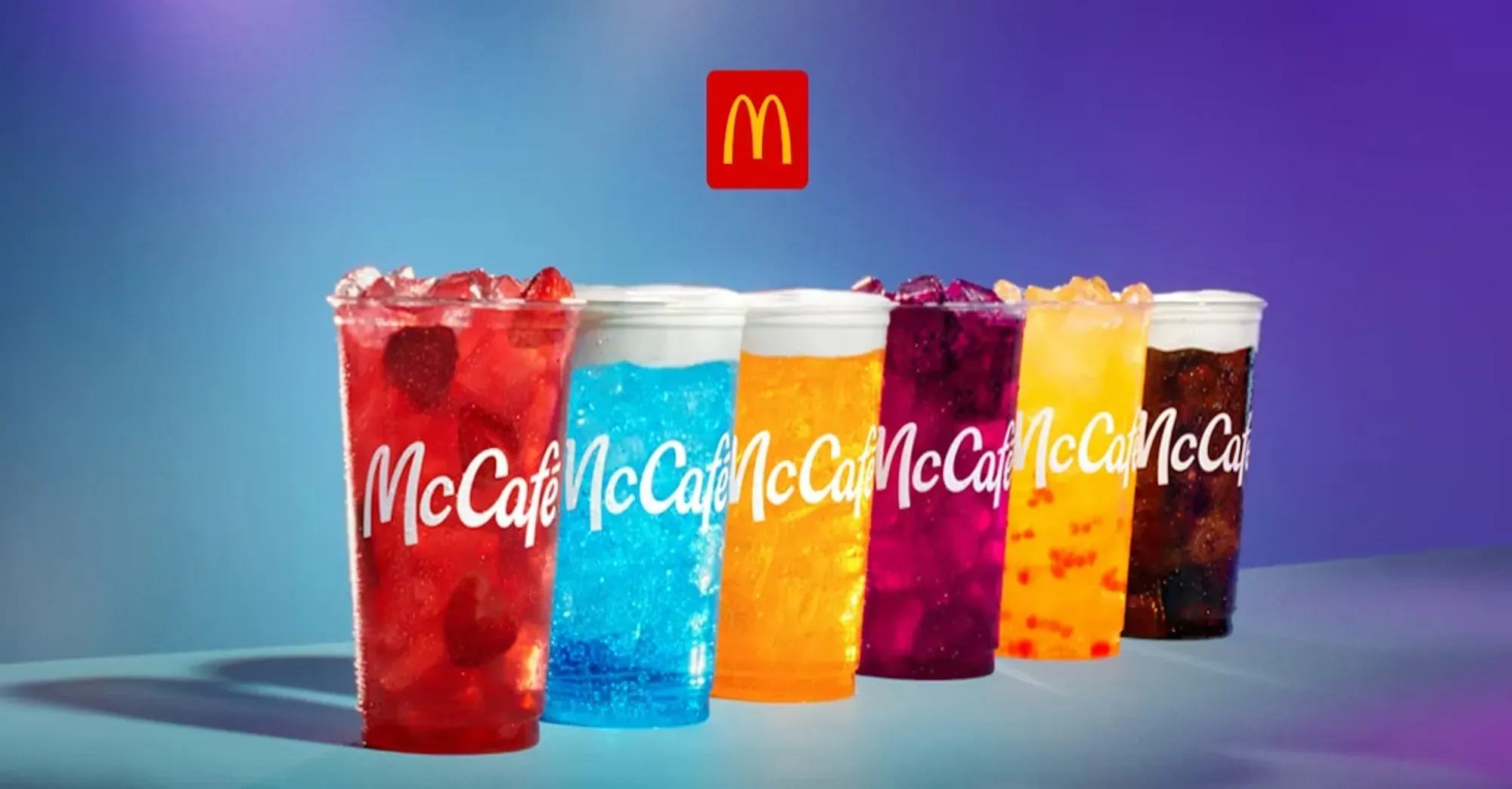
Image source: McDonald’s Corporation
McDonald’s recent expansion into handcrafted beverages is worth watching for reasons that go beyond the menu.
Refreshers and “dirty sodas” may look like a beverage update on the surface. Operationally, they point to something bigger: how quick-service brands are looking for new traffic, stronger differentiation, and more activity outside traditional meal periods.
The announcement itself is timely. As reported in NRN’s coverage of the launch, the rollout spans thousands of U.S. locations and includes a mix of refreshers, flavored sodas, and add-ons designed to appeal to evolving consumer preferences.
The scale makes the rollout notable, and it points to a larger industry reality: as menus become more dynamic, the systems behind them have to keep pace.
When beverages move from being a supporting part of the meal to a bigger driver of traffic, the work behind them changes too. Across multi-location environments, that has implications for how teams manage prep, workflow, consistency, and execution throughout the day.
For years, beverages in quick-service restaurants mostly played a supporting role. They rounded out meals, added margin, and usually did not change the workflow much. Premium beverages and seasonal offerings have long existed, but the operational model behind drinks was relatively stable.
Customizable beverage concepts, from specialty coffee to “dirty soda” formats, are changing that. Drinks are increasingly becoming a reason to visit on their own, especially for consumers drawn to customization, novelty, visual appeal, and quick trips that do not require a full meal.
That is what makes McDonald’s rollout especially relevant. It reflects a broader recognition that beverages are no longer just an attachment opportunity. They can create differentiation and bring in traffic during parts of the day that are harder to build around meals alone.
The opportunity is clear, but so is the operational implication: as drinks become more customizable and more central to traffic strategy, speed, consistency, and location-to-location execution matter more.
One of the more interesting parts of this move is what it says about the afternoon daypart. Beverage-led concepts can be especially useful when restaurants are trying to create demand between the usual meal rushes.
Meal-based traffic usually clusters around breakfast, lunch, and dinner. The hours in between can be harder to activate, especially when demand is lighter and menu engagement is lower. Beverage programs built around customization and novelty can give guests a reason to stop in outside those traditional peaks.
Behind the counter, that can change how teams plan for the afternoon. The afternoon does not have to be treated only as a slower period to manage carefully. With the right offer, it can become a real traffic opportunity. Demand like that behaves differently. It can be more impulse-driven, less predictable, and more dependent on speed, consistency, and experience than a traditional meal occasion.
For operators, beverage programs are not just menu additions. They can become part of how the operation performs throughout the day, especially when demand patterns do not follow the usual peaks.
On paper, adding a beverage lineup can look straightforward. Unlike some core menu changes, beverages may not require new cooking equipment or a major back-of-house redesign. That makes it easy to assume they can be added to the existing workflow without much disruption.
In practice, even additions that look simple on the menu can change how work moves behind the counter. Across a large footprint, beverage innovation moves beyond the menu and into the daily workflow, involving consistency, labeling, visibility, and coordination across locations.
A handcrafted beverage is not one step. It is a series of small steps that have to happen the same way each time. Syrups, inclusions, ice levels, foam, and presentation all create room for variation, especially when teams are working under pressure.
Those small moments are often where the gap between the menu idea and daily execution starts to show. The problem is not that any one step is especially difficult. It is that every added step gives the operation one more place where execution can vary. When those variables are multiplied across shifts, teams, and locations, the operation has to absorb that complexity somewhere.
When the process is supported well, teams can keep moving. When it is not, the added complexity can show up in service time, consistency, and guest experience.
New menu items usually do not change the operation all at once. They change the way work moves.
A beverage that adds only a few seconds to preparation time may not seem like much under light demand. During a rush, though, those seconds can start to stack up. A team member pauses to confirm a build. Sequencing shifts slightly to keep orders moving. A station runs low on an ingredient used across several drinks, and someone has to step away to restock it.
The operation is not breaking down. The work is still getting done, just with more small adjustments happening behind the counter.
The impact often shows up first as a gradual change in speed, consistency, and flow, rather than one clear failure point. By the time the pattern is easy to see, it may already be shaping how the operation performs during busy periods.
During a lunch or afternoon rush, added complexity usually shows up in ordinary ways.
Orders may still be moving and the team may still be keeping pace, but the work starts requiring more small adjustments. One drink takes a little longer to build. A team member checks the sequence before moving to the next order. An ingredient used across multiple beverages runs low sooner than expected, so someone steps away to restock while the rest of the team works around it.
None of those moments is dramatic. In a busy operation, they can feel completely normal, which makes them easy to miss. The issue is how quickly they can overlap. As more time goes into confirming builds, restocking ingredients, and adjusting timing, service can begin to slow before anyone would describe the process as broken.
In a smaller operation, experienced teams can often absorb added complexity without much disruption. They adjust the pace, create informal workarounds, and keep the line moving when demand changes.
Across a larger footprint, that kind of adjustment becomes harder to rely on. A process that depends on memory, interpretation, or individual experience can start to look different from one shift or location to the next.
Consistency becomes easier to protect when the process itself makes the next step clear. Teams should not have to rely on guesswork to understand how a build should be handled, when ingredients need to be replenished, or how time-sensitive components should be used.
As beverage programs become more customizable, the margin for inconsistency gets smaller. What works well in one restaurant has to be easy to repeat across many locations, even when teams, traffic patterns, and service conditions vary.
Operators that scale more complex menu offerings well tend to look beyond the menu item itself. A rollout can affect more than the recipe or the menu board. It can change prep, storage, labeling, timing, training, and the way work moves across locations.
The point is not to add more process for its own sake. The work simply needs to be clear enough that teams can keep moving without stopping to interpret the process in the middle of service.
Accuracy should not have to slow the operation down. A stronger process helps teams move quickly because the right steps are easier to follow.
As menu programs become more complex, the operational structure behind them starts to matter more. When execution is supported by a broader foodservice technology platform, operators can get a clearer view of how work is being performed across locations. They can also standardize the parts of the workflow that should not vary, while still giving teams room to handle the realities of each shift.
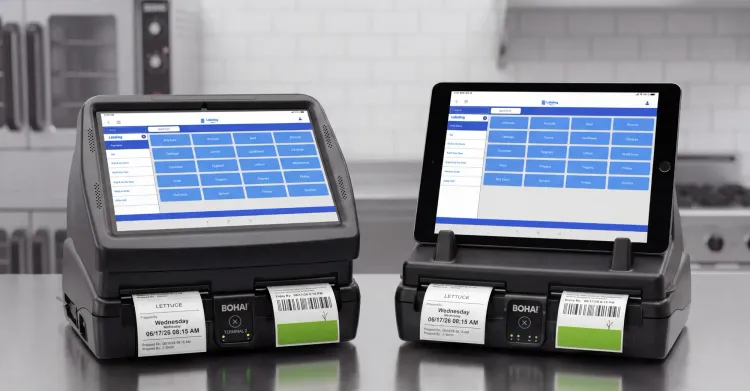
That support becomes even more important when beverage programs include prepared ingredients, inclusions, and components that need to be stored, labeled, and used within the right window. In those cases, consistency is not only about the finished drink. It is also about how ingredients are prepped, labeled, stored, and used throughout the day.
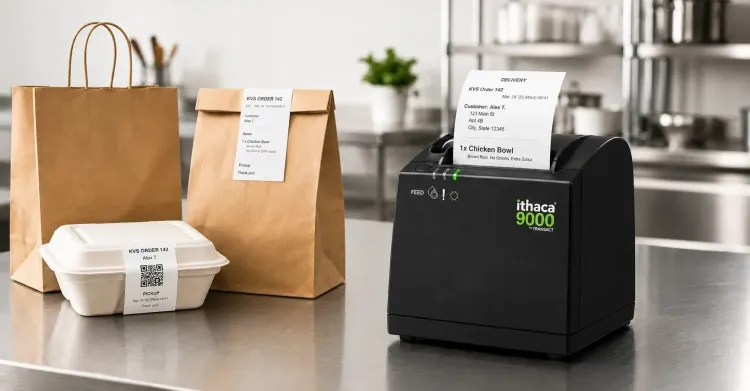
Standardized labeling workflows can help remove some of that uncertainty, especially when operators are balancing speed, food safety documentation, and consistency across multiple locations.
When labeling is consistent, teams can move with more confidence. When it is not, even small moments of hesitation can interrupt the flow of service.
McDonald’s beverage expansion is not happening in isolation. It fits a broader pattern across foodservice, where menus are becoming more customizable and brands are looking harder at growth outside traditional meal periods.
The day-to-day operating environment is also more demanding than it used to be. Teams are expected to maintain speed and consistency while managing labor pressure, rising costs, changing consumer expectations, and menus that continue to evolve.
For many operators, the focus is moving beyond individual tasks and toward how the full operation performs under pressure. Adding a new item is only part of the equation. The larger test is whether the operation can support it consistently across locations and over time.
Many operators are also taking a closer look at how multi-location restaurant operations platforms support consistency as complexity grows.
As beverage programs continue to expand, the pattern will likely extend beyond drinks. Operators will be thinking more closely about how customization, prep, labeling, speed of service, and execution connect across the broader menu. The more dynamic the menu becomes, the harder it is to separate innovation from the systems that make it work in daily service.
Expanding into premium, customizable beverages makes sense. It matches where consumer demand is moving, creates new traffic opportunities, and gives operators another way to build relevance beyond traditional meal periods.
The impact, though, does not come from the idea alone. It comes from how clearly and consistently teams can execute it in the real operation. At scale, even a strong idea needs the right support behind it. Clear processes and aligned systems make complexity easier to manage, especially when teams are working under pressure.
Beverages are no longer just an add-on. They are becoming part of how operators think about traffic, growth, and daypart strategy.
As that transition continues, the operators that get the most from beverage innovation will be the ones that make the work clear, repeatable, and manageable in the actual shift.
Get the latest industry insights delivered straight to your inbox
Browse