TransAct Blog
Bringing Foodservice Technology Into Healthcare Operations
Learn about TransAct’s OEM partnership with MedVantage and how foodservice technology can help healthcare foodservice teams improve labeling accuracy, compliance readiness, and operational consistency.
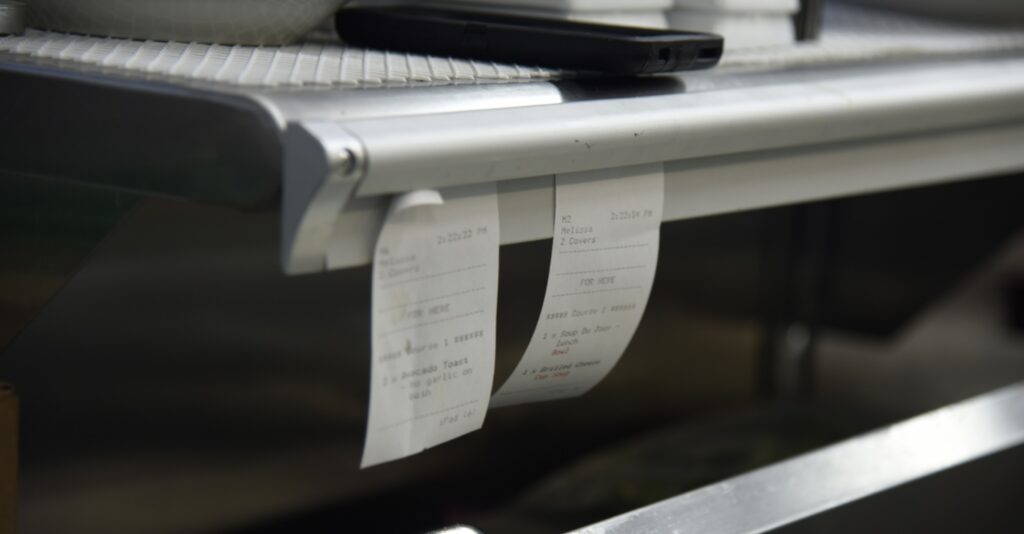
Modernizing the Back of House Before the Pressure Becomes Too Much
When long-standing restaurants close, the lesson is not only nostalgia. Modernization cannot solve every pressure, but it can help foodservice operators protect the day-to-day work that keeps the experience customers love easier to sustain.
A Strong Start to 2026 and a Continued Focus on Long-Term Value
TransAct CEO John Dillon reflects on the company’s preliminary first quarter 2026 results, continued recurring revenue growth through the BOHA! platform, disciplined capital allocation, and the long-term strategy shaping the next stage of the business.
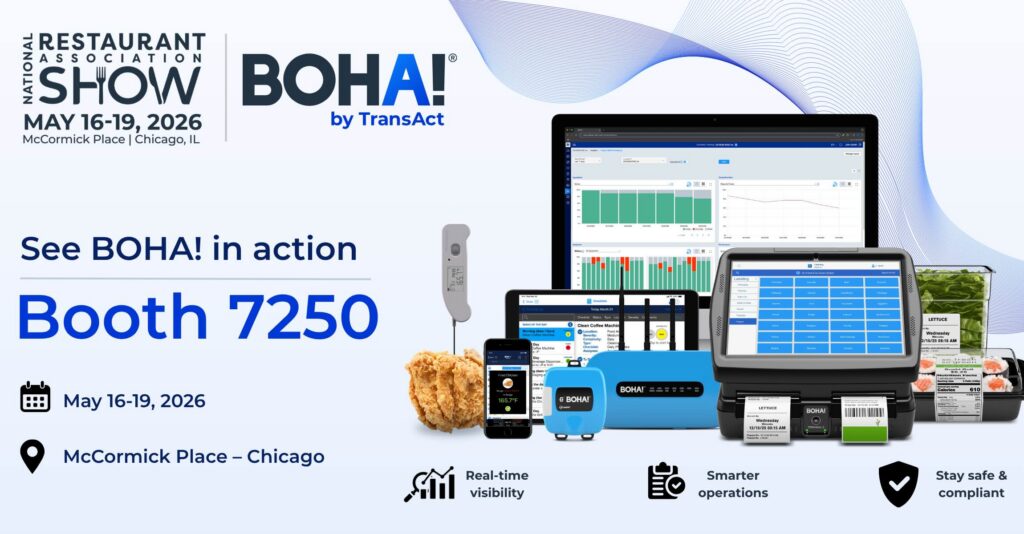
See BOHA! in Action at the National Restaurant Association Show 2026
BOHA! by TransAct will be at Booth 7250 during the National Restaurant Association Show 2026, showing how connected back-of-house workflows can help foodservice teams improve labeling, checklists, temperature monitoring, equipment visibility, and multi-location execution.
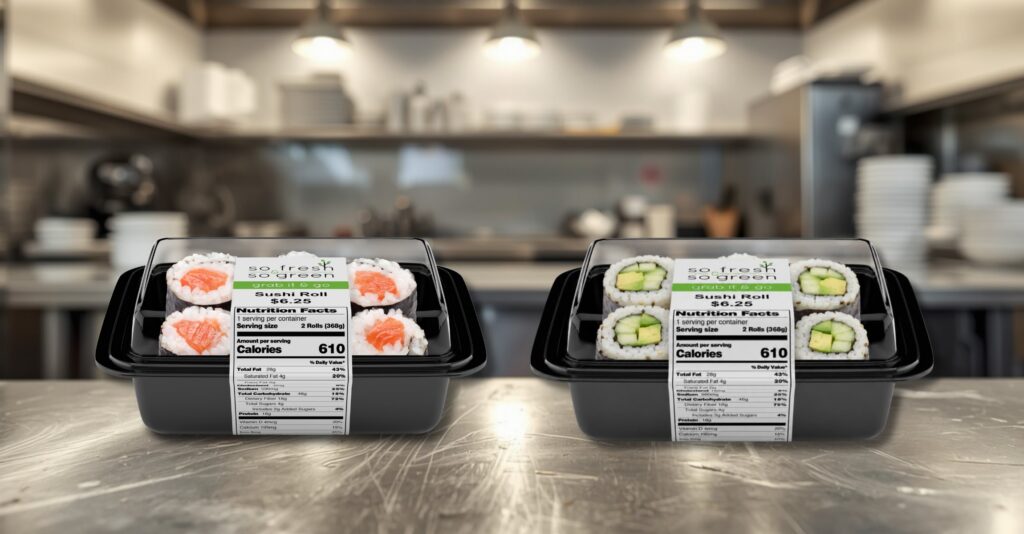
Sushi Labeling Done Right: Speed, Accuracy, and Compliance
Sushi labeling requires more than speed. As fresh sushi and grab-and-go programs expand, operators face growing pressure to maintain accuracy, freshness, compliance, and consistency without slowing production. This article explores where sushi labeling workflows break down and what stronger systems do differently.