TransAct Blog
Sushi Labeling Done Right: Speed, Accuracy, and Compliance
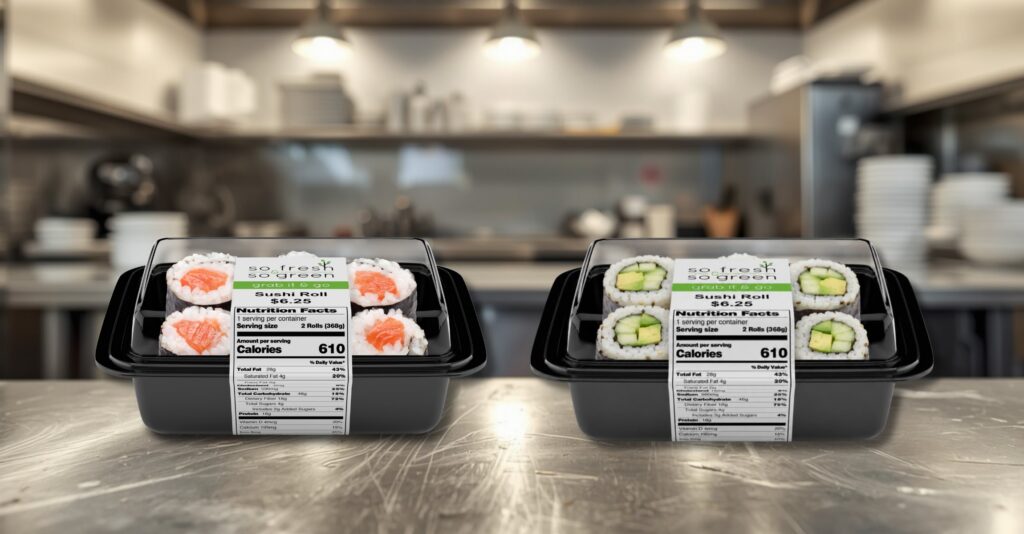
Sushi labeling requires more than speed. As fresh sushi and grab-and-go programs expand, operators face growing pressure to maintain accuracy, freshness, compliance, and consistency without slowing production. This article explores where sushi labeling workflows break down and what stronger systems do differently.
What McDonald’s New Beverage Lineup Signals for Foodservice Operations
McDonald’s latest beverage expansion reflects a broader operational shift happening across foodservice. As beverage customization scales across multi-location environments, operators are rethinking workflow execution, consistency, and operational visibility in new ways.

Dissolvable Labels: The Small Change That Saves Hours of Labor
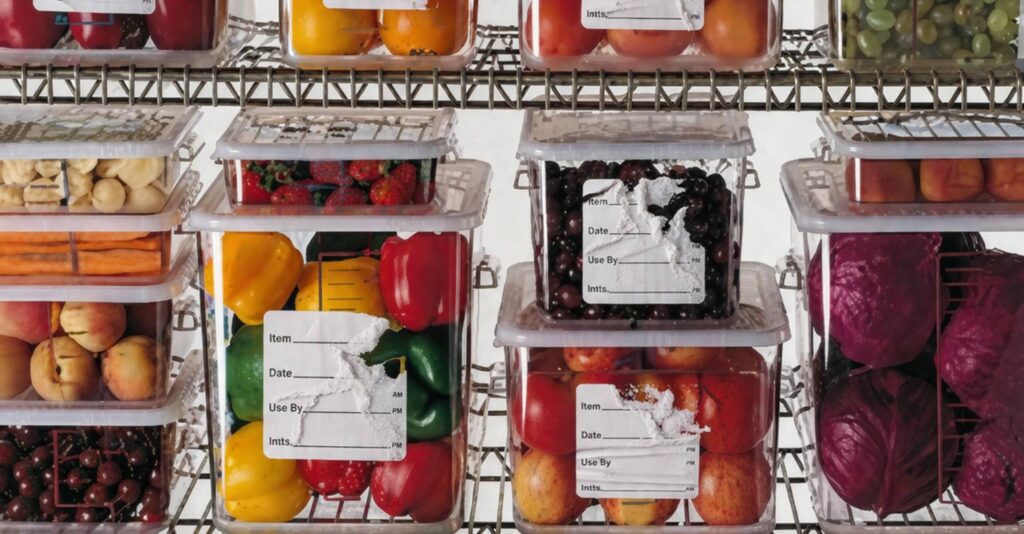
Scraping labels off containers feels like a small task—but across shifts and locations, it adds up. Here’s how dissolvable labels remove a hidden source of operational drag and improve workflow efficiency in foodservice kitchens.
Why Fresh Food Labeling Systems Break Down at Scale (and How to Fix It)
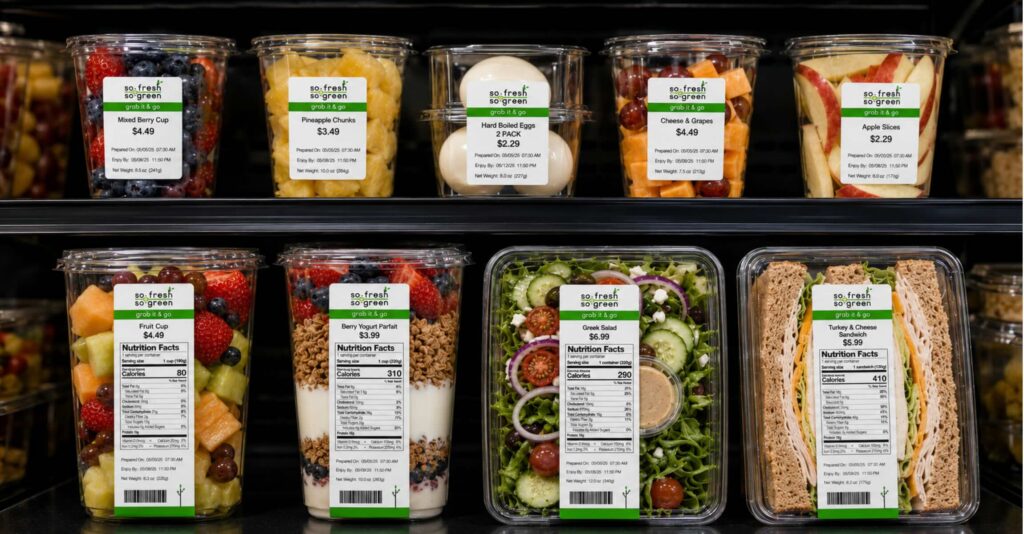
As fresh food programs scale, labeling often becomes one of the first operational systems to break down. Small inconsistencies in food prep, date code labeling, and process visibility can quietly create larger challenges across food safety, compliance, and multi-location execution. Here’s why food labeling systems for restaurants often struggle at scale—and what stronger systems do differently.
Maximizing Revenue Through Operational Consistency
Revenue growth in foodservice is often shaped less by demand alone and more by how consistently operations can convert that demand into throughput. For multi-location operators, operational consistency is often what determines whether revenue potential is fully captured—or quietly constrained.